Lifestyle Guide • Beginner Level • Reading time: ~4 minutes
Latin dances have a way of pulling people in — even those who never planned to step onto a dance floor. Among them, bachata has quietly become one of the most approachable and widely loved partner dances in the world.
You don’t need professional training, flexibility, or years of rhythm experience. In fact, many people fall in love with bachata precisely because it feels natural almost immediately.
So what makes this dance so addictive?
Where Bachata Comes From
Bachata originated in the Dominican Republic. Decades ago it was considered music of everyday people — played at gatherings, small parties, and neighborhood celebrations.
Over time the style evolved. Musicians added smoother melodies, and dancers refined the movements. Today bachata is taught globally — from small local studios to international festivals — but it still keeps its relaxed and emotional character.
Why Beginners Learn It Faster Than Other Dances
Latin dances have a way of pulling people in — even those who never planned to step onto a dance floor. Among them, bachata has quietly become one of the most approachable and widely loved partner dances in the world.
You don’t need professional training, flexibility, or years of rhythm experience. In fact, many people fall in love with bachata precisely because it feels natural almost immediately.
So what makes this dance so addictive?
Where Bachata Comes From
Bachata originated in the Dominican Republic. Decades ago it was considered music of everyday people — played at gatherings, small parties, and neighborhood celebrations.
Over time the style evolved. Musicians added smoother melodies, and dancers refined the movements. Today bachata is taught globally — from small local studios to international festivals — but it still keeps its relaxed and emotional character.
Why Beginners Learn It Faster Than Other Dances
Unlike many structured ballroom dances, bachata uses a very simple base pattern:
step – step – step – tap
That’s it.
The fourth beat is a gentle tap (often with a hip movement), and this repetition helps beginners stay on rhythm without constantly thinking about footwork.
Because the steps are predictable, new dancers can focus on connection rather than memorization.
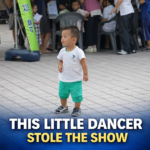
To better understand how bachata actually looks in motion, watch the example below.
The dancers demonstrate the basic rhythm and hip movement that define the style.
Even beginners can notice the simple 4-step pattern that makes bachata easy to learn and enjoyable from the very first try.
As you can see, bachata focuses on connection and timing rather than complex choreography.
Most movements come from weight transfer and natural body motion, which is why many people find it relaxing instead of exhausting.
The Partner Connection
Bachata is danced in pairs, but it’s not about complicated tricks. The emphasis is communication — small signals through hands and body movement that guide direction.
Instead of forcing movements, dancers respond to each other. That’s why even simple sequences can feel expressive.
Many instructors say bachata is less about performance and more about conversation through motion.
The Different Styles You May See
As bachata spread worldwide, several styles appeared:
- Dominican style — playful footwork and musical interpretation
- Sensual style — smoother, wave-like body movement
- Modern/urban style — influenced by contemporary dance
Beginners often start with a simplified version that mixes elements so they can comfortably join social dance events.
Why So Many People Stick With It
People often continue dancing bachata not because it’s flashy — but because it’s relaxing.
The music tempo is moderate
The movements are low impact
Mistakes don’t stop the flow
For many, it becomes more of a social activity than a technical hobby.
Do You Need a Partner?
No.
Most dance communities rotate partners during lessons, which helps beginners learn faster and removes pressure. It also makes the environment more welcoming for newcomers.
The Takeaway
Bachata’s popularity comes from accessibility. It doesn’t demand perfection, athletic ability, or prior dance background.
Instead, it offers rhythm, interaction, and gradual learning — which is why people who try it once often return the next week.
You may not master every turn immediately, but you’ll understand the music within minutes.
And that’s usually enough to keep going.
Beginner Practice: Try the Basic Bachata Step
You can practice the rhythm even without a partner.
Follow these four counts slowly while listening to music:
- Step left
- Step right
- Step left
- Tap and shift weight
Repeat the same pattern in the opposite direction.
Focus on timing rather than speed. Beginners usually improve once they stop watching their feet and start listening to the beat.
Common Mistakes New Dancers Make
Many beginners try to make the movements too large.
Bachata works best with small, relaxed steps.
Another common mistake is rushing the fourth beat.
The tap is not a step — it is a pause that keeps rhythm consistent.
FAQ
Do I need a partner?
No. Most classes rotate partners, and many people practice alone first.
Is bachata difficult?
It is considered one of the easiest partner dances because the rhythm repeats continuously.
How long does it take to learn?
Most beginners can follow a full song within the first lesson.
Top Articles