This Dance Looks Simple — Until You Realize What Bachata Really Is
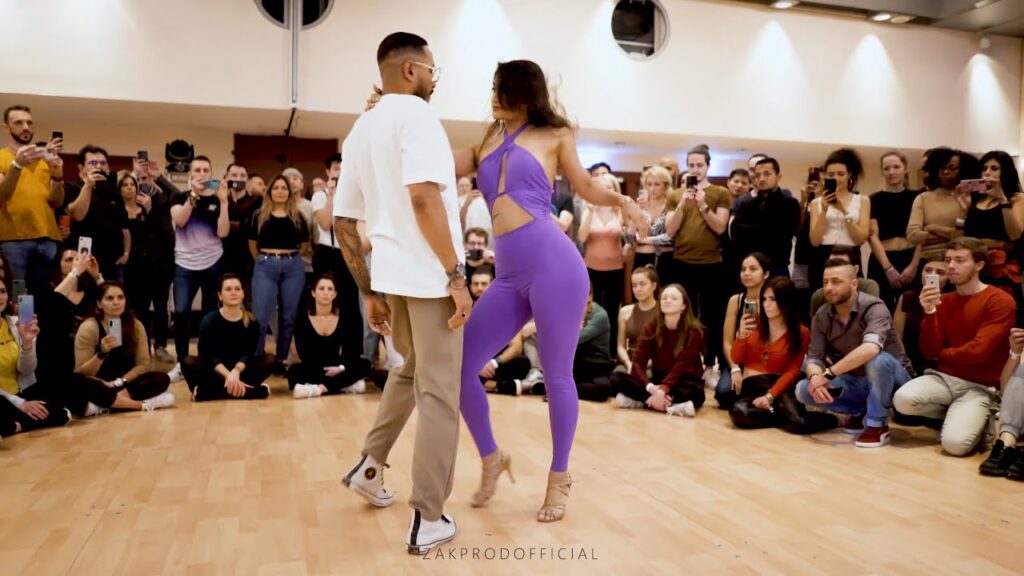
At first glance, it looks like just another couple dancing.
No flashy tricks. No wild spins. Just two people moving together to the music.
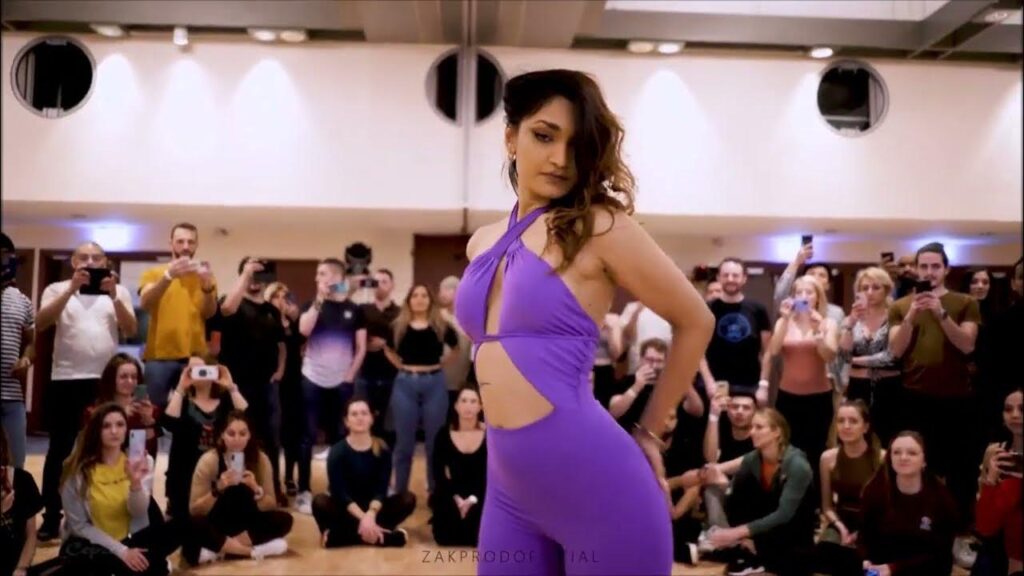
But seconds later, the room changes.
The crowd goes quiet. Phones come out. Eyes lock in.
Because what you’re watching isn’t just a dance — it’s bachata.
And once you understand it, you’ll never see it the same way again.
So… What Is Bachata?
Bachata is a style of music and dance that originated in the Dominican Republic in the early 20th century. It was never meant for big stages or fancy ballrooms. It was created by ordinary people — a way to release stress, emotion, and longing after long days of hard work.
The music blends Spanish guitar melodies with African rhythms, creating a sound that feels intimate, emotional, and deeply human.
Today, bachata has spread across the world — but it has never lost its soul.
Why Bachata Feels So Different.
The basic movements are smooth and natural. From there, dancers decide how far they want to go — simple and playful, or expressive and intense.
That’s why people say bachata isn’t performed.
It’s felt.
Unlike many dances, bachata doesn’t demand perfection.
You don’t need years of training.
You don’t need to memorize complex steps.
All you need is:
Music
A partner
and the willingness to connect
The Hidden “Game” Behind the Dance
Bachata is often described as a game.
A silent conversation between two people.
A back-and-forth of movement, trust, and emotion.
There are no strict rules — only one idea:
Dance as if nothing else exists.
Let the moment be your entire world.
That’s why audiences feel it instantly — even if they’ve never danced a step in their lives.
A Dance Once Looked Down On.
What many don’t realize is that bachata was once dismissed as low-class music.
In the 1950s and 1960s, it was pushed aside, labeled inappropriate, and excluded from mainstream culture. But the stories in its lyrics — love, heartbreak, jealousy, longing — were too real to disappear.
By the 1970s, bachata began to reclaim its place.
By the 1980s, it exploded across Latin America.
And in the 1990s, it went global.
Artists like Ricky Martin and Marc Anthony helped introduce bachata’s rhythm and emotion to international audiences.Why Bachata Is Everywhere Now
Today, bachata is danced in studios, clubs, festivals, and living rooms across the world.
Not because it’s trendy.
But because it speaks to something universal.
Connection.
Emotion.
Being fully present — even if only for one song.
And once you see it up close…
you understand why people can’t look away.