It seemed like the perfect beach day.
The sun was warm but not overwhelming, the ocean calm, and the sound of the waves created that familiar rhythm that makes it almost impossible to stay awake. She had spread her towel on the sand, closed her eyes “just for a few minutes,” and let the peaceful atmosphere take over.
But when she woke up, things didn’t feel quite the same.
A Nap That Lasted Longer Than Planned
Falling asleep on the beach isn’t unusual. In fact, it’s one of those small vacation luxuries many people secretly enjoy. The combination of sunlight, sea air, and relaxation can make even the most energetic person drift off unexpectedly.
In her case, what was meant to be a short rest turned into a much longer nap. By the time she opened her eyes, the sun had shifted, the beach had thinned out, and she immediately realized she had underestimated how quickly time passes when you’re fully relaxed.
At first, everything seemed fine. But later, she noticed the consequences.
The Hidden Risk of Beach Sleep
Extended sun exposure can sneak up on anyone. Even when the breeze feels cool, UV rays continue to affect the skin. Without shade or reapplying sunscreen, the body absorbs more heat than we realize.
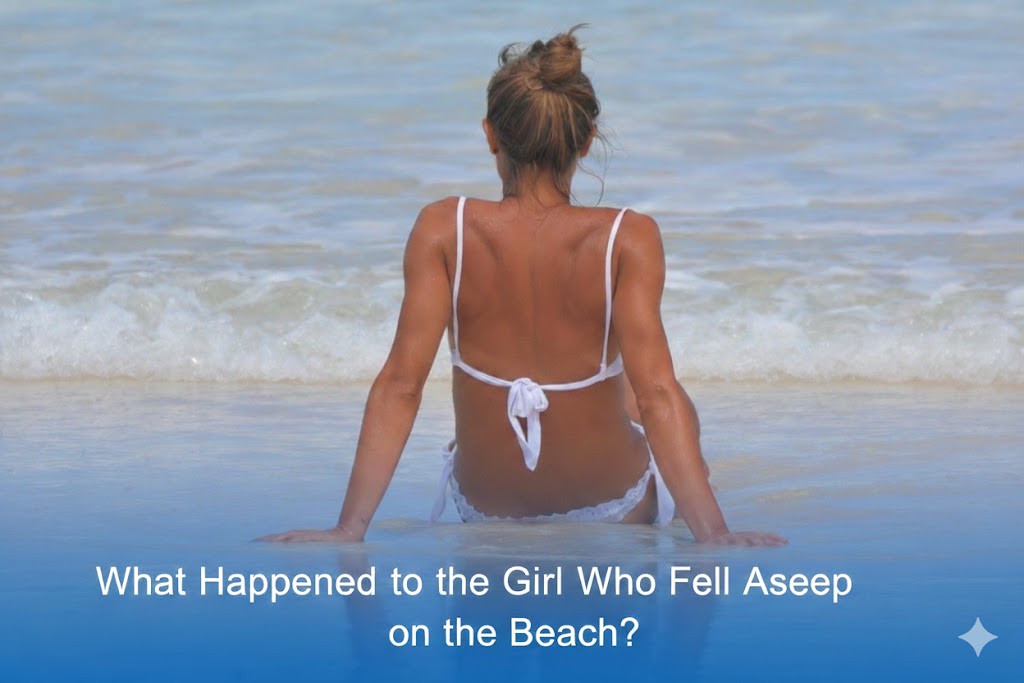
By evening, her skin had turned noticeably red. What had started as a peaceful nap turned into discomfort that lasted for days. The sunburn wasn’t just cosmetic — it affected her sleep, hydration levels, and overall energy.
This situation highlights something many people forget: falling asleep outdoors can increase the risk of overexposure without you even noticing.
Why It Happens So Easily
There’s a reason beach naps feel so irresistible. Natural light increases relaxation hormones, the rhythmic sound of waves reduces stress, and being physically still encourages the body to slow down.
Add a long swim or a walk along the shoreline, and the body is already primed for rest. It’s no surprise that many beachgoers unintentionally drift off.
The problem isn’t the nap itself — it’s the lack of preparation.
Small Precautions Make a Big Difference
Her experience became a reminder of a few simple but important habits:
- Always reapply sunscreen regularly, especially after swimming.
- Use a hat or light cover when resting in direct sun.
- Set a timer if you plan to close your eyes.
- Stay hydrated throughout the day.
- Pay attention to how long you’ve been exposed.
These small steps can prevent a relaxing moment from turning into an uncomfortable memory.
A Lesson Many Can Relate To
The story quickly gained attention because so many people saw themselves in it. Who hasn’t underestimated the sun at least once? Who hasn’t thought, “Just five more minutes,” only to wake up much later?
It wasn’t a dramatic incident. It wasn’t dangerous in an extreme way. But it was relatable — and that’s what made it resonate.
Sometimes the biggest takeaways come from the simplest experiences.
A peaceful beach nap can still be part of a perfect vacation — as long as you respect the sun just as much as you enjoy it.